Bulky waste pickup for Harmondsworth Moor residents
Posted on 02/06/2026
Bulky Waste Pickup for Harmondsworth Moor Residents: A Practical Guide to Fast, Safe, and Responsible Disposal
If you live near Harmondsworth Moor, bulky waste has a way of building up quietly. One day it is an old sofa in the lounge, the next it is a mattress leaning in the hallway, a broken freezer in the utility space, and somehow the garage is full of "we'll sort it later" items. Bulky waste pickup for Harmondsworth Moor residents is the simplest way to clear out large, awkward items without turning your weekend into a lifting contest. This guide explains how the process works, what to expect, where people usually go wrong, and how to make the whole thing much less stressful.
Whether you are clearing a home before a move, dealing with furniture that has reached the end of its life, or just trying to make the place feel usable again, the right approach saves time, effort, and a fair bit of hassle. And yes, it can be done without dragging items halfway across the room three times.
Why bulky waste pickup for Harmondsworth Moor residents matters
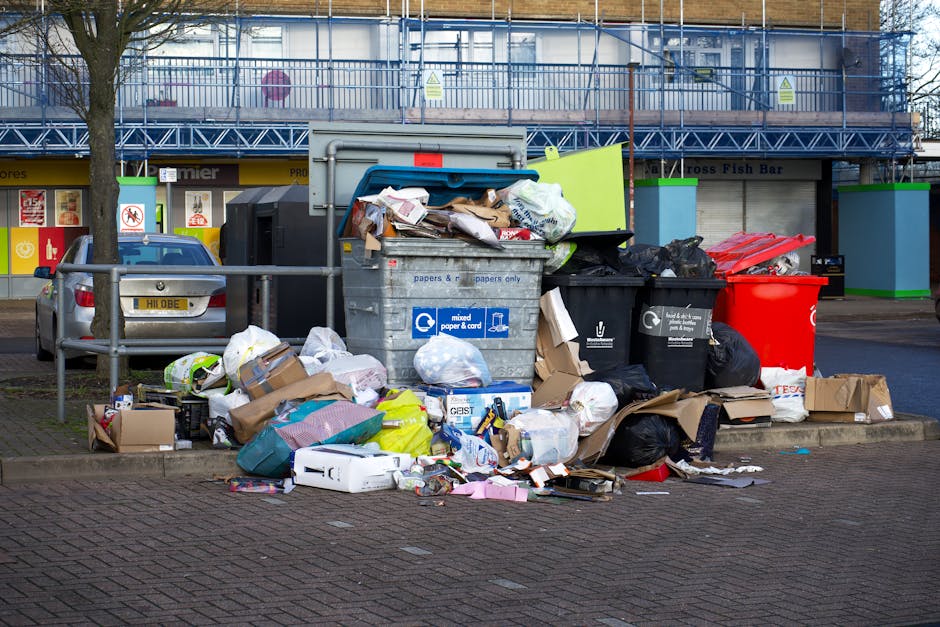
Bulky waste is different from regular household rubbish. It is the awkward stuff: sofas, beds, wardrobes, washing machines, fridges, exercise equipment, broken office chairs, and the sort of furniture that seems to have become part of the room. It is bulky because it is large, heavy, or difficult to move safely, not because it is valuable in the sentimental sense. Though, let's face it, the chair your uncle owned for 20 years may still feel emotionally attached to the place.
For Harmondsworth Moor residents, proper pickup matters for a few reasons. First, large items can block hallways, staircases, and shared entrances, which becomes a practical issue fast. Second, leaving bulky items out in the open can create fire, pest, and trip hazards. Third, if the item can be reused or recycled, using the right collection route helps keep useful materials out of landfill.
There is also a local convenience factor. In a busy part of West London, with commuting pressure and the general rhythm of homes changing hands, people often need clear-out help at short notice. That is why many residents look for a structured pickup service rather than trying to piece together a van, extra hands, and a recycling trip all in one afternoon.
Expert summary: A good bulky waste pickup is not just about removing large items. It is about reducing lifting risk, saving space quickly, and making sure reusable or recyclable materials are handled properly the first time.
How bulky waste pickup for Harmondsworth Moor residents works
The process is usually straightforward, though the exact details depend on who is collecting the items and what needs to go. In practical terms, most pickups follow the same pattern: identify the items, check access, arrange collection, and make sure the waste is loaded safely and taken to the right destination.
For residents, the key is preparation. The better the prep, the smoother the pickup. A professional team can usually handle the lifting and removal, but they still need clear access, accurate information, and items ready to go. That sounds obvious, but you would be surprised how often people leave a dismantled wardrobe in three different rooms and only mention the second panel at the door.
Bulky waste pickup may be arranged as a one-off clearance, part of a broader decluttering job, or alongside a move. If you are already planning a clear-out, it often makes sense to combine it with Harmondsworth removals support or a related service from the wider services overview. That way, you avoid duplicated handling and cut down on the number of times everything gets lifted.
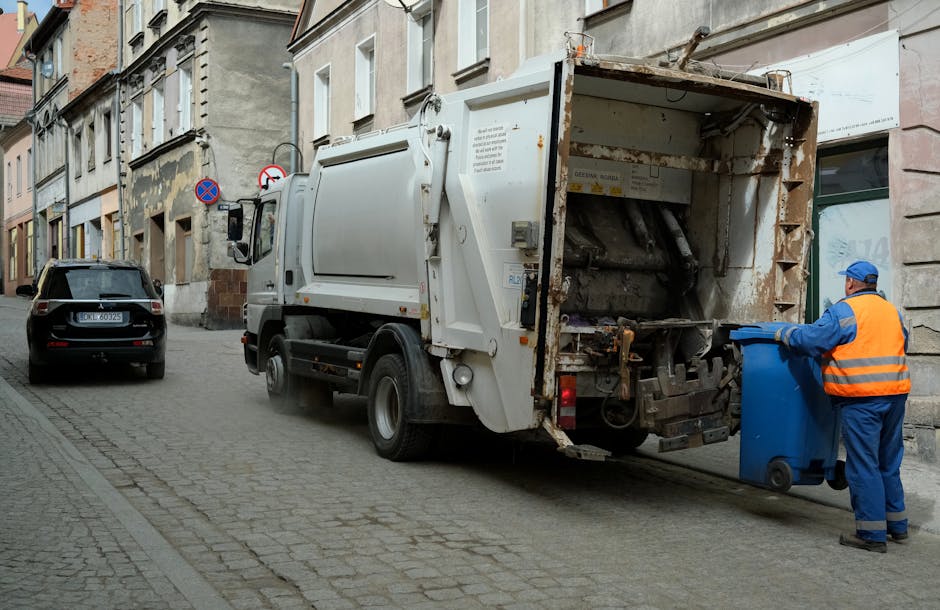
In many cases, the collection team will assess whether the items can be reused, broken down for recycling, or need to be treated as general bulky waste. Larger services often work with the practical side of disposal too, including recycling-focused handling where suitable. The best outcomes usually come from a clear description before the collection day, not from surprise additions in the front garden.
Typical collection flow
- You list the items that need removing.
- You describe access: stairs, narrow hallways, parking restrictions, and any awkward corners.
- You confirm whether items are intact, dismantled, or heavy.
- A suitable team or vehicle is arranged.
- The items are removed safely and taken for reuse, recycling, or disposal.
Key benefits and practical advantages
The biggest benefit is obvious: your space comes back. But there are several less obvious advantages too.
1. Less physical strain. Bulky waste often includes items that are genuinely difficult to move safely. A mattress is awkward. A wardrobe is awkward in a different way. A freezer can be dangerous if it slips. If you have ever tried turning a sofa on a tight staircase landing, you know exactly what I mean.
2. Faster turnaround. One organised pickup can remove what might otherwise take you several trips to the tip, several phone calls, and a lot of waiting around. For some households, that speed is the difference between a cluttered home and a home that feels manageable again.
3. Better use of space. This matters in flats, shared houses, and smaller homes where every square metre counts. Clearing one large item can make a room usable again for storage, sleeping, working, or simply breathing a bit easier.
4. Cleaner moving day. Bulky waste often appears just before a move, when you are sorting what to take and what to leave. A decent pre-move clear-out usually makes packing easier. If that stage feels familiar, the articles on decluttering for moving day and planning a stress-free relocation are worth a look.
5. More responsible disposal. Not every old item should be treated the same way. Some can be donated, some recycled, and some must go as waste. The right pickup service helps make that call more carefully than simply "out of sight, out of mind".
| Benefit | What it means in practice | Why it matters locally |
|---|---|---|
| Safety | Fewer heavy lifts and fewer awkward manoeuvres | Useful in maisonettes, flats, and narrow access homes |
| Speed | Large items removed in one visit | Saves time for busy commuters and families |
| Space recovery | Rooms become usable again | Helps with moving, renting, or refreshing a home |
| Better sorting | Items can be separated for reuse or recycling | Supports cleaner disposal habits |
Who this is for and when it makes sense
Bulky waste pickup is useful for a wide mix of residents, not just people doing a full house clearance. In fact, many collections are triggered by ordinary life events. A sofa wears out. A bed is replaced. A freezer stops working. A tenant moves out. A family decides the spare room is turning into a storage unit. Pretty standard, really.
This service makes sense if you are:
- replacing old furniture or appliances
- preparing a property for sale or let
- clearing a home after a move
- dealing with an item that is too large to move safely yourself
- trying to reclaim space in a flat, garage, shed, or loft
- sorting mixed items that include both waste and reusable goods
It is especially helpful where access is awkward. For example, if you live in a top-floor flat or a narrow terrace with limited parking, bulky items can become a real headache. In those cases, an experienced removal team or man and van option can be the practical choice. You may also find it useful to compare with flat removals in Harmondsworth if the collection is part of a bigger move out of a multi-storey property.
Students and renters often use bulky waste pickup when they are leaving with little notice. That is one reason student removals in Harmondsworth and man and van support can be useful alongside a pickup. The goal is the same: make the handover cleaner and less rushed.
Step-by-step guidance
If you want the smoothest possible experience, follow a simple process. There is nothing fancy here. Just a clean sequence of decisions, and a little discipline around what stays and what goes.
Step 1: Make a clear item list
Write down every bulky item, even if you are unsure about one or two. Include approximate size, material, and condition. A torn sofa is different from a wooden wardrobe; a chest freezer is different from a bedside cabinet. This kind of detail helps a team estimate labour and vehicle space properly.
Step 2: Sort what can be reused
Before anything is loaded, decide whether any item is still fit for donation, resale, or another use. If a sofa is structurally sound and only needs protection or storage, you might not need to waste it. For larger upholstered pieces, it may help to review sofa preservation advice for long-term storage first. That can save you from disposing of something that only needed better handling.
Step 3: Check access carefully
Measure doorways, hall turns, stair widths, and any tight corners. Also note parking access. You do not need to produce engineering drawings, just enough to avoid surprise delays. If the item has to pass through a compact hallway, say so early. It is better to admit the awkward staircase now than to discover it when half the house is already blocked.
Step 4: Prepare the area
Move small items, clear routes, and remove anything fragile from the path. If you are still packing, the guidance in packing smarter for a house move can help you sequence the room properly. A clear floor makes large-item removal quicker and much safer.
Step 5: Book the most suitable service
Choose the option that matches your urgency, item type, and budget. Some jobs are straightforward and can be handled through a standard collection. Others are better suited to same-day removals in Harmondsworth if time is tight. Be honest about the timetable. Same-day only works well when the job itself is clearly described.
Step 6: Confirm what happens on collection day
Ask how loading will work, who needs to be present, and whether payment or documents need sorting before the team arrives. That final check tends to remove the last bit of uncertainty. Small detail, big difference.
Expert tips for better results
Here is the part people often skip, though it makes the whole process easier.
Tip 1: Don't wait until the last minute to separate items. If your bulky waste is mixed with good furniture, recyclable metal, and odds and ends from the loft, sort them before collection day. It saves time and improves disposal decisions.
Tip 2: Break down furniture where it is safe to do so. A disassembled wardrobe is usually far easier to remove than one piece left stubbornly intact. That said, don't dismantle something if you are unsure how it goes back together or if it contains hidden fixings. A messy dismantle can be worse than leaving it alone.
Tip 3: Protect floors and walls. Large-item removal can scuff paintwork and mark flooring, especially in older properties or flats with tighter turning spaces. A few blankets or simple protective coverings can save a repair job later.
Tip 4: Keep a realistic time buffer. Even a routine pickup can take longer than expected if there are stairs, parking delays, or extra items discovered at the last minute. Leave yourself breathing room, particularly if the pickup sits alongside a move or cleaning job.
Tip 5: Use the pickup as a decluttering trigger. One large item often sits in the middle of several smaller ones. Once the sofa goes, you realise the old side table can go too. Momentum matters. A bit of momentum, and suddenly the room feels different.
If the bulky items are part of a wider relocation, it may be worth reading safe lifting and movement guidance before moving anything yourself. For very heavy or specialist items, the safest route is often to let trained movers handle it. That is where insurance and safety information becomes important too.

Common mistakes to avoid
Most bulky waste problems are avoidable. The catch is that they usually look small at first and then become annoying very quickly.
- Leaving items unidentified. "Just a few bits" is not enough. A vague description leads to vague planning.
- Forgetting access issues. Narrow stairs, residents' parking, and tight corners all change the job.
- Mixing hazardous items with general bulky waste. Some items need separate handling. Do not hide them in with everything else.
- Trying to carry something too heavy without help. You do not get extra points for a back strain.
- Not checking what can be reused. A good item may be recyclable or suitable for a second life.
- Booking too late. If you are moving, clearing a tenancy, or preparing a property, late booking is where stress starts to pile up.
Another frequent mistake is assuming all clearance jobs are the same. They are not. A single mattress pickup is very different from a full garage clear-out, and a household with awkward access needs a different plan than a ground-floor property with off-street parking. That distinction matters more than people realise.
Tools, resources and recommendations
You do not need a shed full of equipment to prepare for bulky waste pickup, but a few basic tools make life easier. A tape measure, marker labels, gloves, moving blankets, and a trolley or sack truck can help if you are shifting lighter items to a staging point before collection.
For readers combining clearance with a move, a few related resources can help you stay organised:
- packing supplies and boxes in Harmondsworth for organising smaller items around the bulky waste
- storage options in Harmondsworth if you are not ready to let go of everything
- furniture removals support when an item should be moved, not discarded
- man with a van help for flexible, smaller-scale handling
If you want a broader overview of related moving support, the service overview gives a clearer picture of how different removal jobs fit together. That is often useful when a bulky waste pickup is just one part of a bigger household change.
Law, compliance, standards, and best practice
When dealing with bulky waste, the main thing to remember is that not everything can be treated as ordinary rubbish. Certain items may require special handling because of size, weight, or material type. Best practice is to separate what can be reused, recycle where appropriate, and avoid leaving unknown items for general collection if they might need a different route.
For residents, the practical side of compliance usually comes down to a few common-sense rules:
- do not obstruct communal access routes with waste
- keep collection points safe and clear
- be accurate about item contents and condition
- avoid mixing potentially problematic waste with ordinary furniture
- use a provider that explains how items are handled
In UK homes, there is also a strong expectation that waste is passed to a legitimate carrier and not dumped casually elsewhere. Good practice is to ask how the load will be transported, sorted, and processed. You do not need legal jargon. You just need enough clarity to know the items will be handled responsibly.
Households with safety concerns should be especially careful. Old appliances can be heavy and unstable. Beds can collapse unexpectedly during lifting. Metal frame furniture can trap fingers. If in doubt, pause and choose a safer method. A slightly slower pickup is better than a rushed accident.
Options, methods, and comparison table
There are several ways Harmondsworth Moor residents can handle bulky waste. The right choice depends on item type, urgency, and how much lifting you want to do yourself. Truth be told, the cheapest route is not always the best one once time, transport, and effort are counted properly.
| Method | Best for | Pros | Trade-offs |
|---|---|---|---|
| Self-moving and disposal | Small number of manageable items | Flexible timing, full control | Heavy lifting, transport costs, time-consuming |
| Bulky waste pickup | Large household items and awkward loads | Convenient, safer, less stress | Needs clear item details and access planning |
| Combined removal service | Clear-outs linked to moving home | Efficient, fewer handling steps | Needs better scheduling and planning |
| Storage first, disposal later | Uncertain items or temporary overflow | Buys time for decisions | Not suitable if the item is already unwanted |
If you are clearing a property as part of a move, a combined approach can be the smartest. For example, an old sofa may be removed, while a dining table is moved to a new home. That is where house removals support can sit neatly alongside bulky waste pickup. It's a practical split, not an all-or-nothing decision.
Case study or real-world example
Here is a simple local-style example. A family near Harmondsworth Moor was preparing a two-bedroom flat for sale. They had a worn sofa, two broken dining chairs, an old chest freezer, and a bed frame that had been dismantled but never actually moved out. On paper, it looked like a few items. In reality, it was a morning of awkward lifting, limited corridor space, and one parking space that needed careful timing.
Instead of trying to do everything themselves, they listed each item clearly, checked access, and grouped the pieces by what could be removed first. The freezer was handled carefully because it was heavy and awkward. The bed frame and mattress were moved out together after the hallway was cleared. The sofa was measured before collection so there was no guesswork at the door. Small thing, but it saved a lot of back-and-forth.
They also used the chance to sort the rest of the room, which turned the pickup into a proper declutter rather than a quick dump. The result? The flat looked bigger, staging became easier, and the whole sale preparation felt less rushed. Not glamorous, but very effective.
Practical checklist
Use this checklist before your bulky waste pickup:
- Make a complete list of items to be removed
- Measure any large items if access is tight
- Check stairs, lifts, hallways, and parking access
- Separate reusable items from true waste
- Clear the route from room to collection point
- Protect flooring and nearby walls where needed
- Set aside small loose parts, screws, or fittings
- Confirm whether any item needs special handling
- Decide if the job needs standard, same-day, or combined removal support
- Keep one contact person responsible on the day
Quick reminder: if your bulky waste pickup is tied to an outgoing move, do the disposal first or at least before final packing gets chaotic. Once boxes stack up, everything takes longer. Always does.
Conclusion
Bulky waste pickup for Harmondsworth Moor residents is really about control. Control over space, safety, timing, and the general feeling that your home is working with you rather than against you. Whether you are clearing a single worn-out item or dealing with a bigger household change, the right approach makes the process calmer and cleaner.
Plan early, describe the items properly, think about access, and do not be shy about asking for help with the awkward stuff. If you handle bulky waste in a sensible order, the whole job becomes far less dramatic. A bit of structure goes a long way. And, to be honest, a lot of people breathe easier once the big old sofa is finally gone.
Get a free quote today and see how much you can save.
Sometimes the smallest act of clearing space can make the biggest difference to how a home feels. That is worth doing properly.