Applying for parking suspensions in Harmondsworth (rules)
Posted on 06/07/2026
If you are planning a move, a delivery, or a building job in the village, applying for parking suspensions in Harmondsworth (rules) can save you a lot of stress. Nothing derails a tight schedule quite like a van having nowhere legal to stop, or a neighbour parking in the one space you were counting on. To be fair, most people only think about parking once the truck is already outside. By then, it can feel a bit late.
This guide explains what a parking suspension is, how the process usually works, what the rules mean in practice, and how to avoid the mistakes that catch people out. It is written for real-world use, not theory. If you are coordinating removals, a bulky delivery, or a flat move, you will also find useful planning links to support the rest of the job, including a stress-free relocation plan and how to avoid hidden moving fees.
One thing worth saying early: parking suspensions are not just about convenience. They are about keeping access safe, preventing complaints, and making sure your vehicle is not causing a blockage or ending up with a fine. And yes, that awkward little loading gap outside the property matters more than people expect.
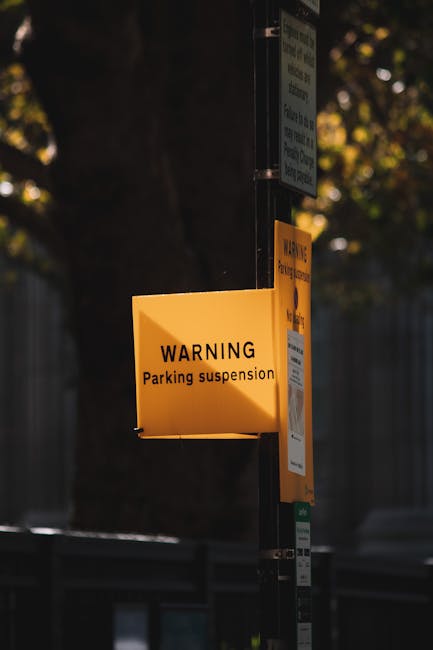
Why Applying for parking suspensions in Harmondsworth (rules) Matters
Parking in Harmondsworth can be straightforward on a quiet day, but once a move starts, the picture changes quickly. Vans arrive, doors stay open, furniture comes out in awkward shapes, and the space you thought would be available is suddenly not. A parking suspension helps create a temporary controlled space so your vehicle can load or unload without constant shuffling.
The practical value is simple: less delay, less arguing over spaces, and less risk of having a job interrupted halfway through. If you are moving somewhere with limited roadside room, such as a narrow residential street or a block near busier Heathrow-area routes, the difference is huge. A two-minute wait can become a twenty-minute delay, and in moving work, that is where everything starts to wobble.
There is also a neighbourly side to it. When a van is parked properly and everyone knows what is happening, the street tends to stay calmer. People can plan around it. That matters in a place like Harmondsworth, where many properties sit close together and access can already be a bit tight.
If you are preparing for a bigger property move, it can help to read more about timing tips for Heathrow-area moves and a local moving checklist for nearby village moves. Those kinds of small planning details tend to save the day.
How Applying for parking suspensions in Harmondsworth (rules) Works
In plain English, a parking suspension temporarily removes normal parking availability from a specific section of road so that a particular activity can happen there. The suspension is usually tied to an address, a date, a time window, and a reason such as removals, building works, or a delivery that needs close access.
The rules are usually about three things: location, timing, and justification. You need to identify where the suspension is needed, for how long, and why that space has to be reserved. Councils typically want enough lead time to assess the request and arrange any signs or authorisation, although the exact process can vary. That variation is where people get caught out, because they assume all councils handle it the same way. They do not.
In practice, the process normally involves providing vehicle details, the address, the requested dates, and a reason that shows the suspension is necessary rather than just desirable. If you are arranging a van for a move, it helps to think in terms of access needs: is the vehicle large, does it need tail-lift space, will there be heavy items, and is there a safe path from the property to the kerb?
For readers organising a move, this links closely with the rest of the job. For example, having the right removal vehicle matters, and planning that vehicle properly can be supported by guidance on choosing the right removal van and booking a man with a van in Harmondsworth.
A small but important point: a suspension does not give you a free-for-all. You still need to park in the approved way, for the approved purpose, during the approved times. If you wander off to another street, or the vehicle is used for something unrelated, the protection may no longer apply. Bit obvious, maybe, but people do it.
Key Benefits and Practical Advantages
The biggest benefit is controlled access. When you are unloading beds, white goods, boxes, or office equipment, every extra metre matters. Shorter carrying distance means less fatigue, less chance of damage, and a faster job overall.
- Faster loading and unloading: The van can sit closer to the property, which saves time and effort.
- Lower disruption: You reduce the chance of other drivers occupying the spot mid-job.
- Better safety: Fewer long carries across the road means fewer trip hazards and less strain.
- Smoother coordination: Movers, clients, and neighbours all know what the parking space is for.
- Less stress on moving day: With one major logistics issue handled, the rest of the day feels more manageable.
The job also tends to feel more professional when access is planned properly. If you are hiring help, the crew can work at a steadier pace instead of constantly stopping to reposition the vehicle. That is especially useful for heavier items, which often benefit from better loading access and safer lifting. On that note, our practical articles on lifting technique and body movement and weight and balance in piano relocation are worth a look if your move includes awkward or fragile pieces.
There is another benefit people overlook: a well-planned suspension can help protect the building fabric itself. When the van is close enough, you are less likely to scrape walls, drag items over thresholds, or pile boxes in unsafe places while waiting for space to free up. The whole thing just breathes easier.
Who This Is For and When It Makes Sense
Parking suspensions are most useful when access is constrained, the job is time-sensitive, or the vehicle needs to stop right by the property. In Harmondsworth, that often means household moves, flat moves, office clearances, deliveries of bulky items, and short-notice logistics work.
It makes sense if you are:
- moving in or out of a home with limited on-street parking
- handling a same-day or urgent move
- bringing in furniture that is too awkward for a long carry
- coordinating a business move with a tight schedule
- planning a delivery where the vehicle needs to stop at the kerb for a set period
It may be less necessary if you already have private driveway access, loading bay access, or another legal place for the van to stand. Sometimes people apply for a suspension when a simpler plan would do. Fair enough, it is easy to overprepare. But in some cases, all you really need is careful scheduling and good communication with whoever is supplying the vehicle.
If you are not sure whether your job needs this level of planning, have a look at same-day removals in Harmondsworth and the urgent flat-to-house moves guide. Those situations are often where parking becomes the hidden problem.
Step-by-Step Guidance
Here is the cleanest way to approach it without making the process harder than it needs to be.
- Confirm the need. Decide whether a suspension is actually necessary or whether standard loading arrangements will do.
- Identify the exact location. Be precise about the road, side of street, and the stretch you need.
- Check the timing. Estimate your arrival window honestly. Padding the times too much can make approvals awkward; underestimating them can create a gap.
- Gather vehicle details. Registration, size, and any special access needs may be requested.
- Prepare the reason. State clearly that the space is needed for loading, unloading, or removal work.
- Submit the request early. Give the process enough lead time so signage and approval can be arranged.
- Keep proof and confirmation. Save emails, reference numbers, or any written approval.
- Brief everyone involved. The driver, the client, and any movers should know exactly where and when the suspension applies.
If you are coordinating multiple tasks at once, it helps to sequence the day properly. I mean really sequence it, not just vaguely hope for the best. Packing, access, lifting, and transport all need to line up. A good starting point is packing smarter for a house move and streamlining the moving day by decluttering first.
One useful habit: build a small buffer around your arrival. If the van is due at 9:00, treat 8:30 or 8:45 as your mental start time. That way, if there is an awkward gate, a lift delay, or a neighbour's car in the way, you are not suddenly in panic mode at the curb.
Expert Tips for Better Results
There are a few habits that make parking suspension requests smoother and reduce friction on the day itself.
Be specific, not vague. "Outside the property" is often too loose. Exact placement helps the request make sense and avoids confusion for whoever is reviewing it.
Match the request to the job size. A light two-box delivery and a full three-bedroom house move are not the same thing. The request should reflect the actual use of the space.
Think about route, not just parking. Can the vehicle stop there safely? Is there enough room to open doors? Can items move from the property to the van without blocking foot traffic?
Keep residents in the loop where sensible. A friendly note through doors or a quick conversation the day before can prevent drama. Not always necessary, but often appreciated.
Coordinate the packing stage early. The faster the team can start unloading, the less pressure there is on the suspension window. If you are dealing with large furniture, our page on furniture removals in Harmondsworth is a useful companion.
Use the suspension as part of the full logistics plan. It works best when paired with sensible van choice, good packing, and realistic timing. Parking is not the whole job, just one important piece. Still, it is the piece everyone notices when it goes wrong.
And a small human tip from the field: carry a printed copy or a clear digital screenshot of the approval. Mobile signal is not always your friend when you are standing on a street with a trolley in one hand and a box of glasses in the other.
Common Mistakes to Avoid
Most parking suspension problems come from avoidable assumptions. Here are the big ones.
- Leaving the request too late: Short notice can make approval difficult, especially if signage or verification is needed.
- Guessing the timing: If your move starts later than expected, the approved window may not match reality.
- Being unclear about the vehicle: Wrong registration details or an inaccurate vehicle size can cause confusion on the day.
- Assuming one council's rules match another's: They often do not. Local practice matters.
- Forgetting to check street conditions: A suspension does not remove all risks. Temporary works, school traffic, or narrow bends can still affect access.
- Not planning for overflow: If the van is full and the job runs long, where will the second load go?
There is also a habit of treating the suspension as if it guarantees a perfect day. It does not. It just improves the odds. Weather, neighbours, and lift timings still happen. Moving day has a talent for introducing tiny surprises at the worst moment, doesn't it?
If you want to reduce the chances of hidden costs or missed steps elsewhere in the move, the article on avoiding hidden removal fees is genuinely worth your time.
Tools, Resources and Recommendations
You do not need a suitcase full of gadgets, but a few practical tools help a lot.
- Phone calendar with reminders: Add the request date, approval date, and move day.
- Site notes or printed instructions: Keep the exact parking location and vehicle details in one place.
- Measuring tape: Useful if you are checking clearance for a van, trolley, or furniture piece.
- Boxes and labels: Faster unloading means less time occupying the suspension space. See packing and boxes in Harmondsworth for more help.
- Insurance and safety planning: If your move involves expensive items, make sure the handling plan makes sense from a risk point of view. Our page on insurance and safety is a useful reference.
Useful service support can also make the parking side easier. For example, if you need a flexible team and a vehicle that can work around access constraints, man and van support in Harmondsworth and general removal services can be a good fit. For larger or more structured moves, house removals in Harmondsworth or office removals may make more sense.
And if the move is a bit more than you can comfortably take on yourself, it is worth comparing removal companies in Harmondsworth and reading the wider services overview before you book. A little research up front can save a headache later.
Law, Compliance, Standards, or Best Practice
Parking suspensions sit in the world of local traffic management and street use, so the safest approach is to treat them as a formal request rather than a casual favour. The exact requirements can vary by local authority, and you should always follow the rules that apply to the road in question. That means using the suspension only for the stated purpose, during the stated times, and with the correct vehicle.
Best practice is to keep records, provide honest information, and avoid overbooking the space. If the job might overrun, build that into the request rather than hoping nobody notices. That is not just tidier; it is more professional.
For removal work, good compliance also means working safely around pedestrians, keeping emergency access in mind, and not blocking driveways or crossings. In a village environment like Harmondsworth, that common-sense layer matters just as much as the paperwork.
If your move is linked to broader council permissions, you may also find it helpful to review Hillingdon Council permits for Harmondsworth moves. It fits neatly with the same planning mindset.
Options, Methods, or Comparison Table
Not every job needs a parking suspension. Sometimes a simpler loading arrangement is enough. Here is a quick comparison to help you choose.
| Option | Best for | Pros | Limitations |
|---|---|---|---|
| Parking suspension | Moves or deliveries needing reserved kerbside space | Predictable access, less interruption, easier loading | Needs planning and may involve approval conditions |
| Standard roadside parking | Jobs in low-demand streets or when timing is flexible | Quick and simple if space is available | Space may disappear, causing delays |
| Driveway or private access | Homes with off-street parking or yard access | Most convenient and usually the least disruptive | Not available everywhere; can still be tight for larger vans |
| Timed loading without suspension | Short drop-offs or quick collections | Less formal, often adequate for small jobs | Higher risk of interruption or enforcement if space is contested |
In plain terms, suspension is the most controlled option. If you are moving a sofa, bed, washer, or office archive and the street is busy, that extra control can be the difference between an organised morning and a frazzled one. For bulky or awkward items, a little structure pays for itself fast.
Case Study or Real-World Example
Picture a small flat move on a weekday morning. The van is booked, boxes are packed, and everyone is ready. But the road outside the property is narrow, neighbours often park tightly, and there is no guarantee of a clear space. Without a suspension, the driver could circle, wait, or stop some distance away. That would mean longer carries, slower loading, and more chance of damaging furniture while weaving around parked cars.
Now imagine the same job with a reserved parking space near the entrance. The van gets in, the team works from the front door to the vehicle, and the whole process feels calmer. The resident is not standing around watching the clock. The mover is not constantly worrying about another car sliding into the spot. The job still has its normal pressure, of course, but it is the manageable kind.
That is why planning matters so much on local moves. For smaller household relocations, a guide like moving to Sipson and nearby removals planning can help you think through the wider route and access picture.
Truth be told, the best parking plan is the one that nobody has to think about on the day. If it fades into the background and the team can just get on with the lifting, that is a win.
Practical Checklist
Use this before submitting or confirming any parking suspension request.
- Confirm the exact address and road name
- Check whether suspension is actually necessary
- Note the date, start time, and finish time
- Record the vehicle registration and type
- State the reason clearly: removal, delivery, building work, or other approved use
- Allow enough lead time for approval
- Save written confirmation somewhere easy to find
- Brief the driver and anyone helping with the move
- Prepare a backup plan if the street is unexpectedly blocked
- Make sure the loading path from property to van is safe and clear
- Keep a contact point handy in case plans change
A final practical note: if your move involves a lot of sorting, storage, or staged transport, you may also want to look at storage options in Harmondsworth and recycling and sustainability practices. It can make the whole project less cluttered and more manageable.
Get a free quote today and see how much you can save.
Conclusion
Applying for parking suspensions in Harmondsworth (rules) is really about protecting your time, your access, and your sanity. It may look like a small admin task, but on move day it can have a big effect. When the parking is right, the rest of the day has a better chance of staying on track.
Keep the request specific, give yourself enough lead time, and think of the suspension as part of the wider moving plan rather than a standalone form to tick off. That way, whether you are handling a house move, office relocation, or a simple heavy-item delivery, you are far less likely to be caught out by the street outside.
And honestly, that little bit of calm at the kerb can change the whole feel of the day. One less thing to juggle. One less thing to worry about. That matters more than people think.